Donate a Ranch
A Ranch Can Become a Lasting Legacy.
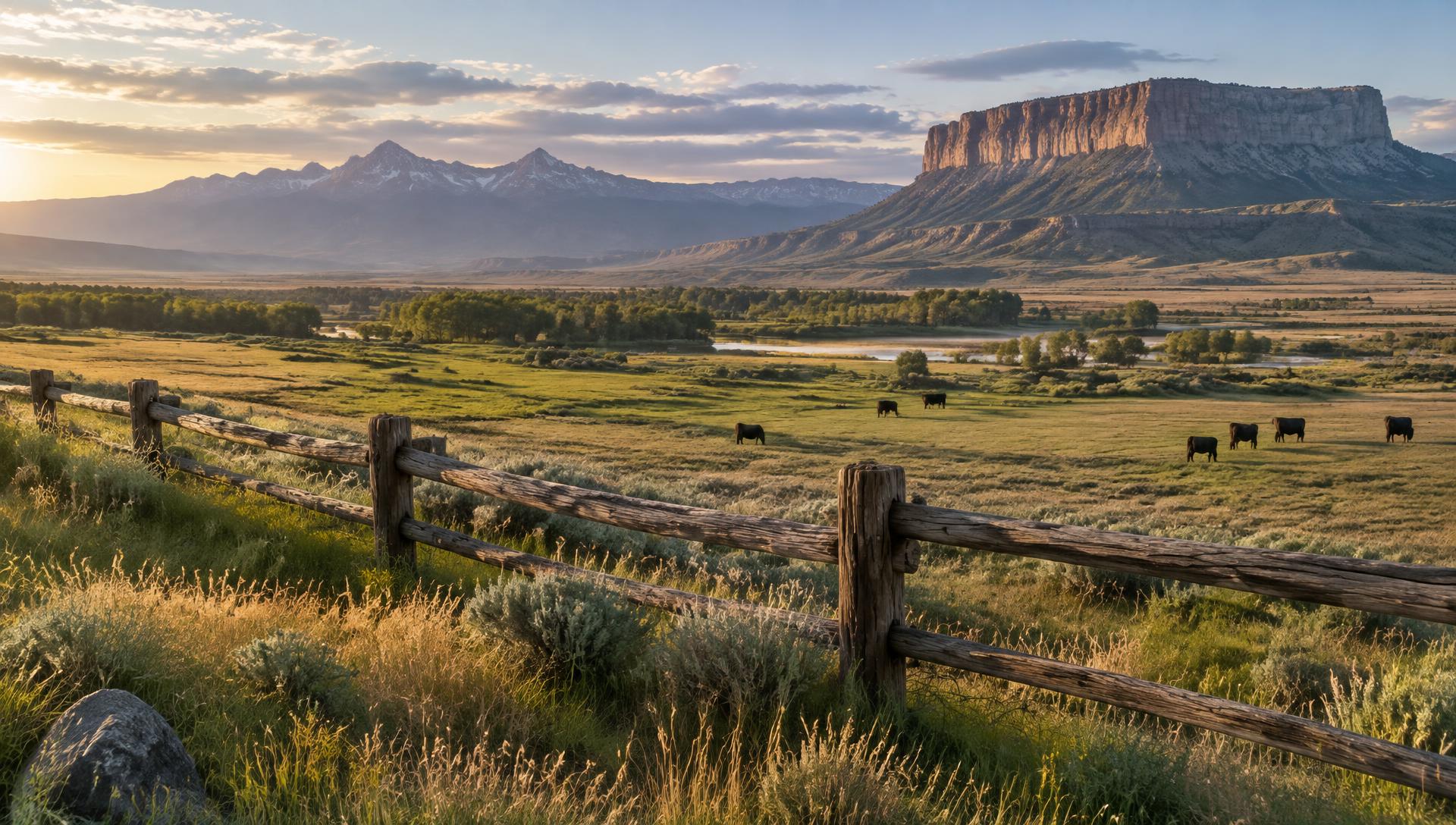
Cattle country, horse property, grazing ground, hunting land and recreational acreage — reviewed with attention to rights, access and the cost of holding open land.
Submit a Ranch for Confidential ReviewRanch ground is judged by what comes with it. Deeded acres tell only part of the story; the permits, the water, the minerals, the road in and the fence lines tell the rest. A ranch review examines each of those on its own terms, because a legacy built on an assumption about access or water is not a legacy anyone can keep.
What we review in this category
Mineral and water rights
On ranch ground, what lies under and what flows through often matters more than the surface. Severed minerals, existing oil and gas leases, adjudicated water rights, stock-water claims and district shares are reviewed individually, because rights that do not convey change the nature of the gift.
Grazing and hunting leases
Annual grazing leases, seasonal hunting leases and outfitter agreements are ordinary and often valuable. We ask for terms in writing: acreage, stocking rates, payment schedule, insurance obligations and notice requirements, so nothing surprises anyone after transfer.
Residences and improvements
Headquarters houses, bunkhouses, barns, corrals, working pens, wells and fence lines are reviewed for condition, insurability and the cost of upkeep. Improvements can add real value or real liability, and the review distinguishes the two.
Access
Legal access is not the same as the road everyone has always used. Recorded easements, shared road agreements, landlocked parcels and seasonal access all get examined, since access determines whether the ground can be used or transferred at all.
Livestock and equipment
Cattle, horses, hay, trucks, trailers and equipment are normally excluded from a real property gift unless a donor specifically proposes them. Tell us what you intend either way; ambiguity about livestock creates problems at closing.
Debt and carrying costs
Open land keeps costing money: property taxes, insurance, fence maintenance, water system repairs and weed control continue every month of review. Those costs are weighed alongside debt in deciding whether a gift can be accepted responsibly.
Conservation considerations
Existing conservation easements, CRP contracts, wetland determinations and habitat agreements carry obligations that run with the land. Provide the documents; these are reviewed rather than assumed.
Information the review requires
- Deeded acreage, plus any leased or permitted acreage and who issues the permit.
- Mineral rights: owned, severed, leased, or unknown.
- Water: wells, springs, creeks, stock tanks, adjudicated rights and district shares.
- Grazing, hunting, recreational or wind and solar leases, with terms and expiration.
- Residences, barns, corrals, shops, fencing condition and utilities.
- Legal and physical access to the property, including any easements or shared roads.
- Debt, liens, unpaid taxes and annual carrying costs including insurance.
- What is included: land only, or land with livestock, equipment or brand.
Questions specific to this category
A Mustard Farms initiative supporting approved Commissary Grant programs.
Organizational information, governance and the full review process are published at MustardFarms.org. Program information is at CommissaryGrant.com.
Mustard Farms does not provide legal, tax, appraisal or financial advice. Proposed gifts are subject to legal, financial, title, environmental, operational and governing-body review and written acceptance. Donors should consult independent advisers.
Submit a Ranch for Confidential Review